
Design Decisions that changed the entire direction of a project

At the beginning of every project, there’s usually a vision: a concept board, a layout, a collection of references that define what the space could become. But the most transformative moments in design rarely happen in those first sketches. They happen later—through decisions. The kind of decisions that seem small on paper but end up redefining how a project functions, feels, and succeeds.
At Clockwork Architecture + Design, we’ve learned that great projects are not shaped by aesthetics alone. They are shaped by strategic design moves that influence behavior, improve flow, and completely change the experience of a space. Sometimes, a single adjustment can redirect the entire trajectory of a project.

The Layout That Changed Everything
One of the most underestimated design decisions is layout. It’s easy to think of floor plans as technical necessities, but in reality, they determine how people move, interact, and connect within a space.
We’ve seen projects evolve dramatically after rethinking circulation paths or shifting the relationship between public and private zones. A restaurant that initially felt disconnected suddenly became more social after opening sightlines between the kitchen and dining area. An office that struggled with collaboration transformed once departments were reorganized around shared gathering spaces instead of isolated workstations.
The layout isn’t just about fitting functions into square footage. It’s about creating rhythm. It dictates where energy builds, where people pause, and where interaction naturally happens. In many cases, redesigning the flow of a space has had a greater impact than any visual feature added later.

Entry Sequences: The Psychology of Arrival
The way someone enters a space shapes their perception before they experience anything else.
A project can have beautiful interiors and strong branding, but if the arrival sequence feels confusing, abrupt, or disconnected, the experience loses impact. That’s why entry design often becomes a defining turning point in the creative process.
Sometimes the solution is architectural—framing an entry through lighting, compression, or material contrast. Other times it’s emotional—creating anticipation through layered spaces or intentional transitions. We’ve redesigned projects simply by changing how visitors approach the building, and the difference in experience was immediate.
The entrance is not just a doorway. It’s the first interaction between a person and a brand, a business, or a home. It establishes expectation, comfort, and identity within seconds.

Lighting as a Design Strategy
Lighting is often treated as a finishing touch. In reality, it can completely redefine the purpose and atmosphere of a space.
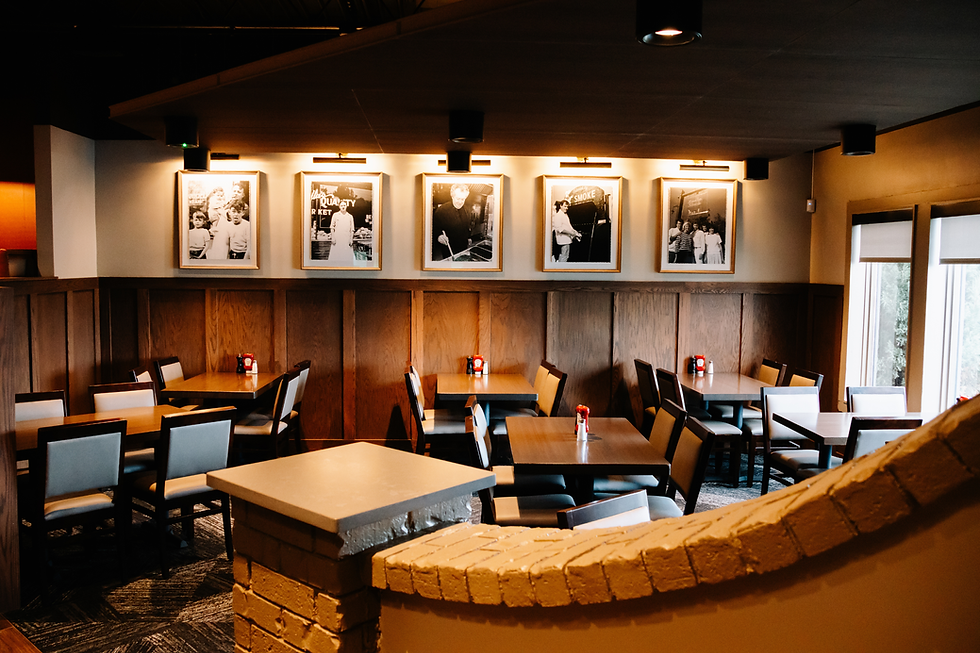
The right lighting strategy can make a compact environment feel expansive, turn a transitional hallway into a memorable moment, or influence how long people choose to stay in a space. We’ve worked on projects where lighting decisions shifted the entire design language—from highly polished and commercial to warm, immersive, and human-centered.
More importantly, lighting changes behavior. Bright, evenly lit environments encourage movement and productivity, while softer layered lighting creates intimacy and pause. It impacts mood as much as function.
When lighting is integrated early in the design process instead of added later, it stops being decoration and becomes architecture.
Program Integration: Designing Beyond Aesthetics
Some of the most important design decisions happen when separate functions are blended together in unexpected ways.
Today’s spaces are no longer one-dimensional. Offices need hospitality elements. Retail environments need community spaces. Residential developments need wellness and social programming integrated into daily life. The projects that succeed are the ones designed around experience rather than category.
We’ve seen projects completely shift direction once clients realized their space needed to do more than one thing. A lobby became a social hub. A waiting area evolved into a branded experience. A workspace transformed into an environment that encouraged creativity and culture instead of just productivity.
These decisions redefine the purpose of a project. They move design beyond appearance and into strategy.

Why Design Decisions Matter More Than Design Trends
Trends come and go. What remains are the foundational decisions that determine whether a project actually works.
The projects people remember are not always the loudest or most visually complex. They’re the ones that feel intuitive. The ones where movement feels effortless, lighting feels intentional, and every element supports a larger purpose.
At Clockwork Architecture + Design, we believe design should solve problems before it creates visuals. Because the true success of a project isn’t measured by how impressive it looks in a rendering—it’s measured by how effectively it shapes real human experience.
Sometimes the biggest transformation comes from the smallest decision. And sometimes, one design move can change the entire direction of a project.


Comments