
NeoCon 2026: Clockwork's Top Design Takeaways

Last month, some of our designers traveled to Chicago to explore the latest designs and emerging trends at NeoCon and Design Days. Here is a summary of our top takeaways from the event.
Trends & Takeaways
Color Resurgence
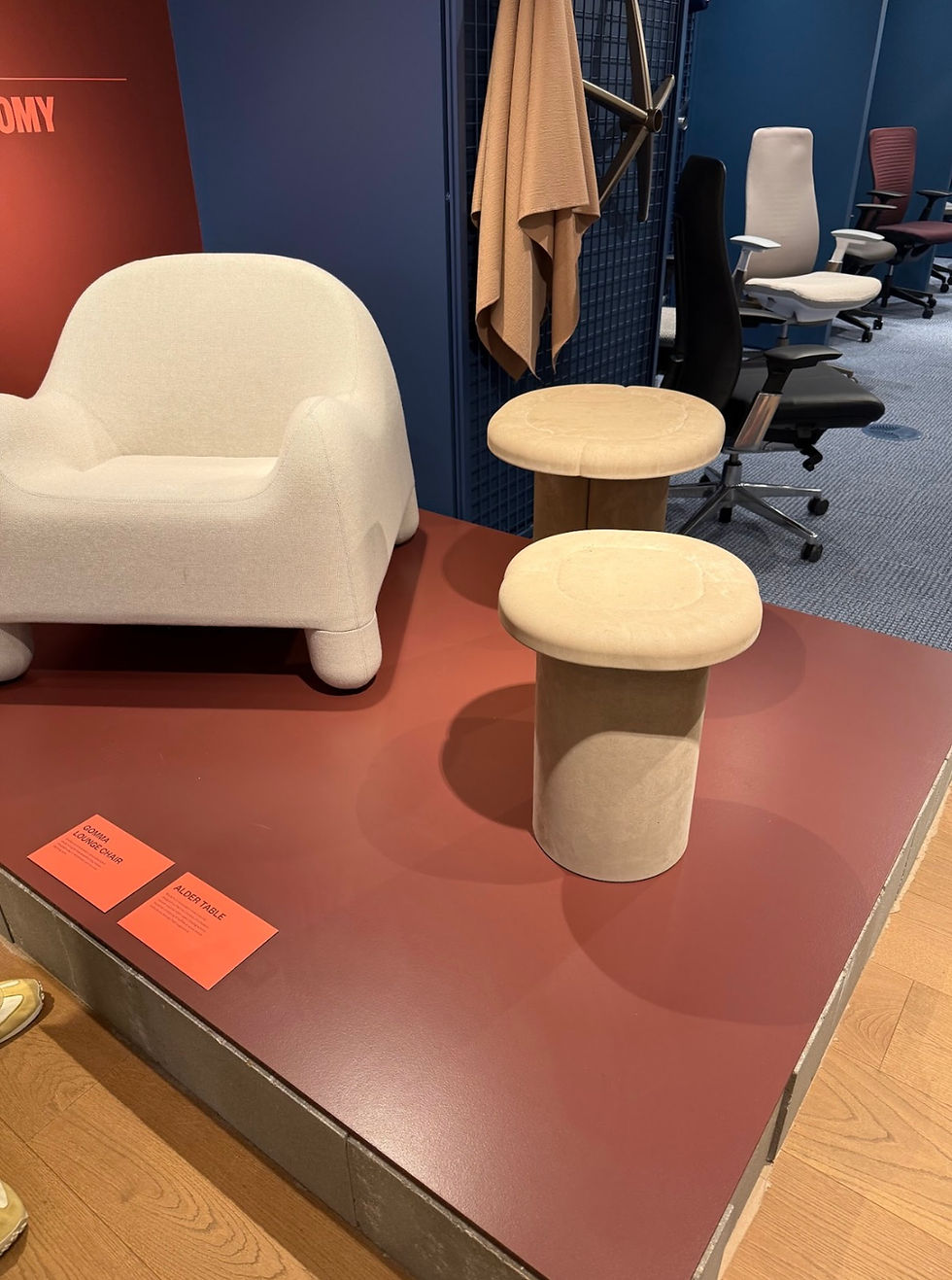
Mid-century modern is being reimagined in not only some of the forms and vintage details, but also in the color palettes.
Rich, moody hues like oxblood, electric blue, and ochre dominated this year’s color story and helped create spaces that are both warm and refined.
Many products felt rooted in colors, textures, and references that create a sense of reassurance and emotional safety


Refuge While Maintaining Connection
With work and life becoming more and more stimulating, people are seeking furniture that not only supports the body but also the nervous system.
Several brands featured products that felt protective and comforting while keeping users connected to the larger space around.
Cocooning furniture was very prevalent across several manufacturers.
Meeting and phone booth solutions are also continuing to make an impact, with nearly every furniture manufacturer introducing or expanding their own offering.


Lighting Takes Center Stage
Illuminate at NeoCon debuted in a dedicated area featuring over 60 global and emerging brands.
Dramatic and immersive lighting installations, both architectural and decorative, were also featured throughout all the showrooms.


The Significance of the Human Touch
As AI continues to generate an abundance of knowledge and content, people may increasingly look for environments that exhibit signs of human care, craftsmanship, and expertise, rather than spaces that feel generic or infinitely reproducible.
Manufacturers are reminding us that not everything meaningful can be automated.
We saw several maker stories, and partnerships with artisans.
Brands celebrated craftsmanship and material knowledge.


Acoustics as Design
Acoustical products are starting to contribute to the aesthetic of the space rather than disappear into it.
They are now presented as integral spatial elements woven directly into walls, ceilings, and furniture, making them key components of the overall design.


Sustainability as the Narrative
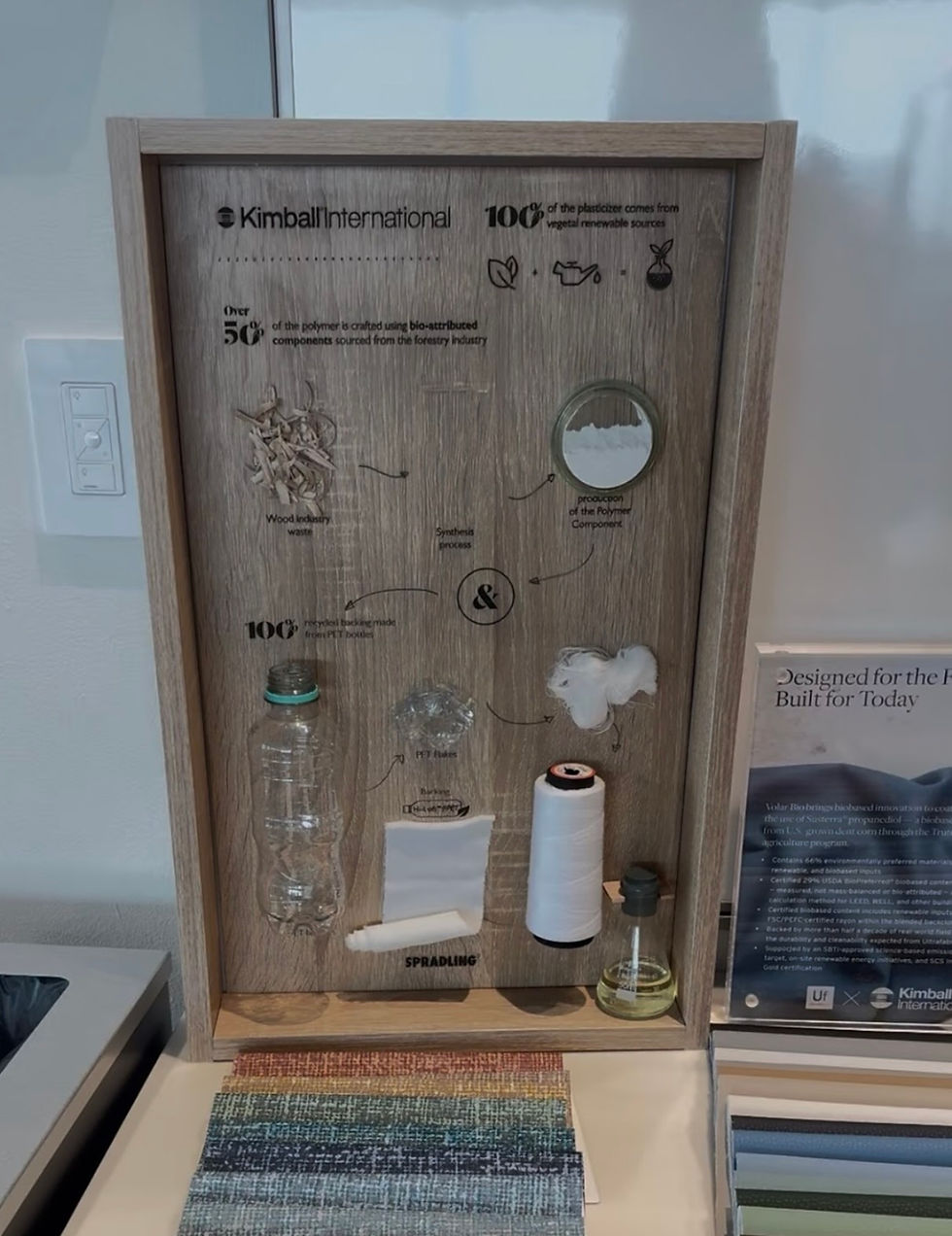
Manufacturers are avoiding non-renewable resources and instead are opting for recycled, reclaimed, or biodegradable materials.
There was more transparency around sourcing and production across the board.



Comments